About
Who's actually here
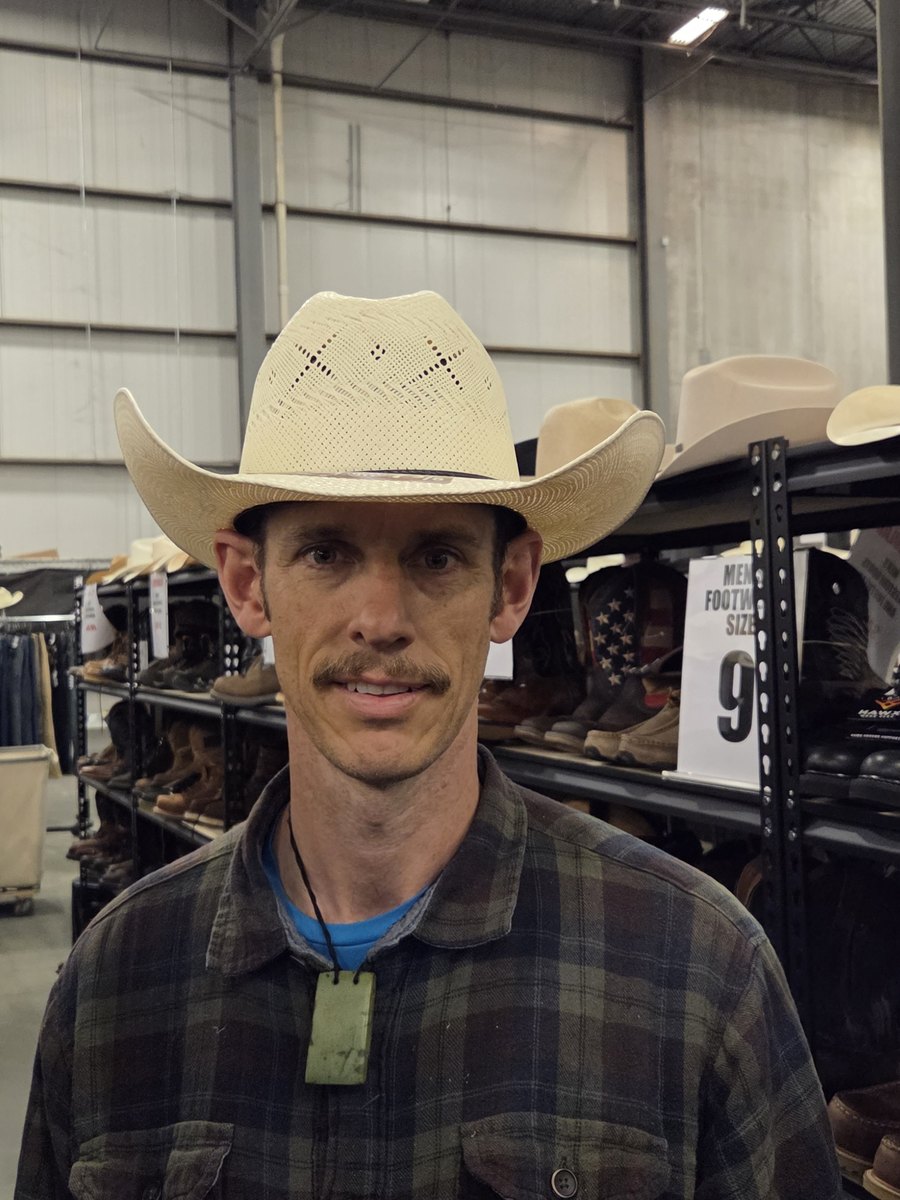
My name is Terence Carr. Most people call me TJ. Divergent Futures is one person in a workshop, and this page exists so you know which person.
I'm an analyst by trade. Ten years of that was in law enforcement, and two of those years I spent as an analyst for the police in Auckland, sending a daily briefing that connected things across people's stated scope of work. It got pushback at first — why are you sending me this, it isn't my field — and then it stopped getting pushback, and by the time I left it had quietly become something the department depended on. When it stopped, people noticed. That's the whole skill, as far as I can tell: seeing the shape of a thing before the parts arrive, and noticing the gap between what people say is happening and what's actually happening.
Ten years of that work also shows you what people do to each other when systems fail them. Some suffering builds character. Most of it just builds resentment and gets handed down, and a great deal of that kind is manufactured by institutions that didn't do their homework. Everything below rolls up to one thing: adding value.
The four years I wasn't here
I'm autistic and I have ADHD. I'm also, and separately, about as introverted as a person gets — four decades of it, tracked carefully, with a fairly accurate sense of where the limits are.
For four years I stepped back almost entirely. Off the internet in any way that involved other people, out of work, out of most of it. That wasn't a sabbatical and it wasn't burnout in the way that word usually gets used. It was the amount of quiet it took to work out how my own head actually operates, rather than continuing to run it on settings somebody else's brain came with. I don't recommend it and I don't regret it. It's just what the repair took.
They weren't four empty years. I was in and out of the country for most of them, and I got married in that time — to someone who is deliberately not part of any of this. Her own career, her own name. That's a choice we made, not a gap in the story.
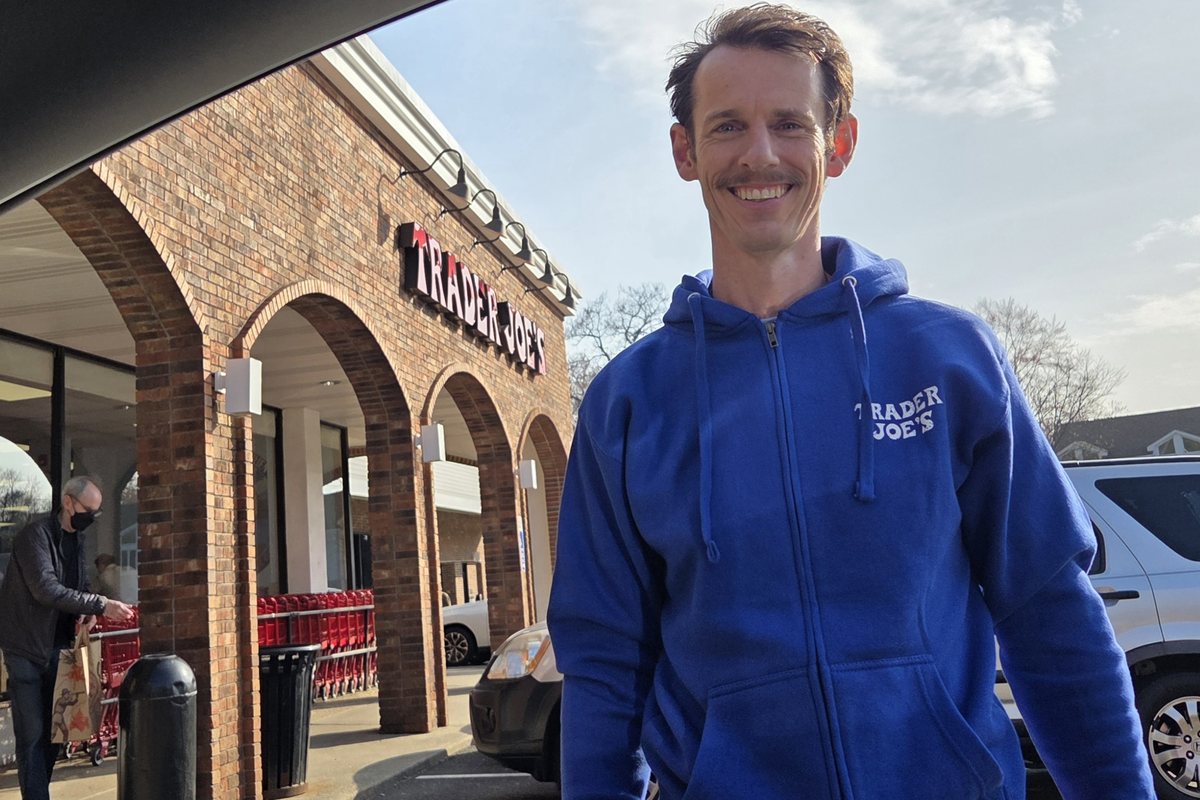
It ended in April 2026, when I took a job at Trader Joe's — my first in four years, and chosen on purpose rather than out of necessity. Forward-facing work, inside a structure I trust, with shelf-stocking available as a release valve when the social load goes over budget. It is, functionally, graduated exposure therapy with a paycheck attached. I'm not trying to become an extrovert. I'm trying to widen the pipe without bursting it.
A month later I started building. In May 2026 I had never written a line of code; I'm still not a developer and don't claim to be one, and the fair response to that is to go and poke at something — LaunchPath is live, free, and needs no sign-up. What changed wasn't skill. It was that the constraint that had been the real problem for years — having ideas and no way to get them out of my head at a rate that didn't cost more social energy than I have — stopped being a constraint.
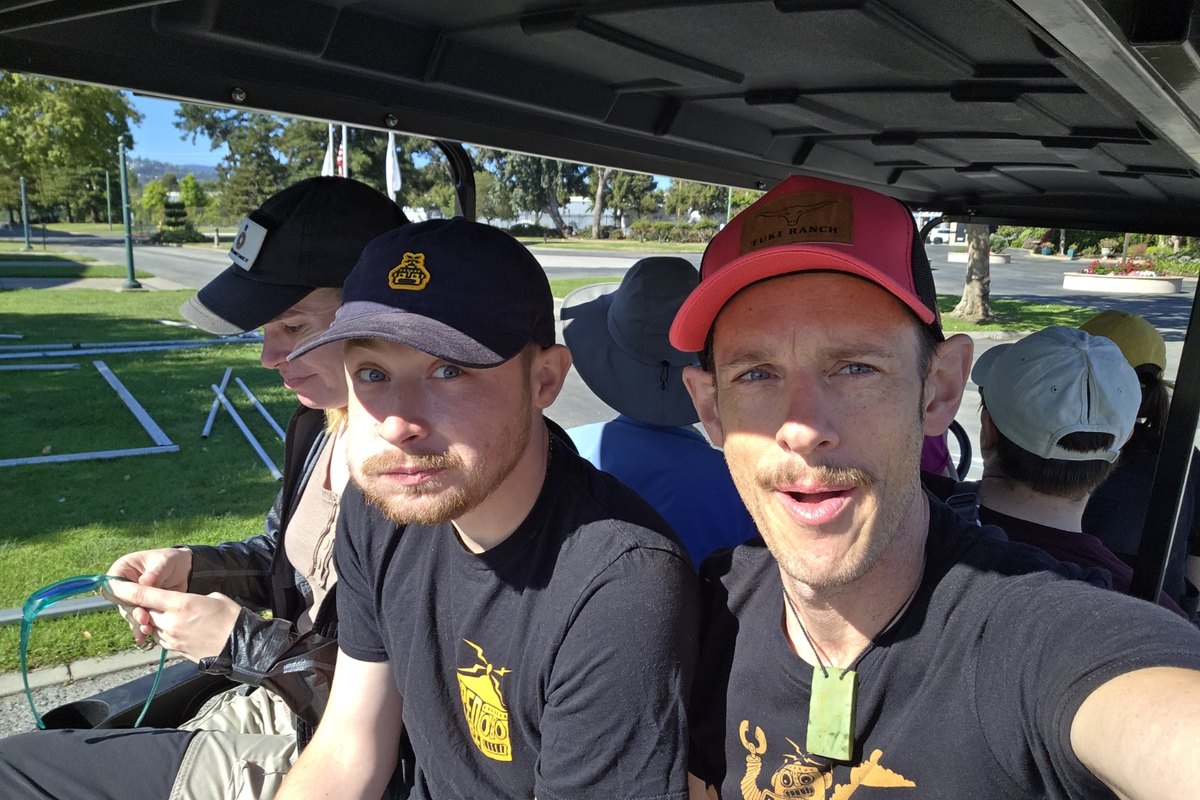
This year I volunteered at Open Sauce — a few days of shifts in a hall full of people who build strange things on purpose. A year ago I would not have got through the door. That's what widening the pipe looks like from the inside: not a plan, just a run of days you got through.
What all of it is for
Infrastructure for putting ideas into the world at a pace my bandwidth can actually sustain. That's the whole thesis, and it's why the container is small on purpose: one person, no staff, tools built only when something blocked me, and channels that are rooms rather than a network. Five months of visible output after four quiet years can read as a swing. It isn't. It's one person with a backlog and, finally, a way to empty it.
The through-line, if you want one: a dwelling that closes its own loops on a road here and a habitat that closes its own loops on Mars are the same engineering problem at different scales, and I'd rather rehearse it on the one where a mistake is survivable. That's why a bus and a trailer are the rehearsal, and not a spreadsheet about Mars.
The four rooms
Three obsessions and a book. Divergent Futures is the problems on Earth and the credible ways out of them. Humans in Space is what it takes to actually live off Earth — closed loops, life support, mass budgets, the boring parts that decide whether anyone survives. Living on the Spectrum is how different kinds of minds work, which I run because I'm writing about the thing I live inside rather than reporting on somebody else's. Cosmos is the book, which is where the other three go when they get too big for an episode.
What you won't find here
- Trackers, ad networks, or a cookie banner. There's nothing to consent to.
- Numbers presented with more confidence than the source supports.
- Anything AI-generated presented as first-hand reporting.
- A posting schedule I can't hold. If it isn't up yet, I'll say so.
Get in touch
Email is the reliable route: tj@divergentfutures.co. Corrections are welcome and get published; guests, collaborations and press all land in the same inbox. I'm slow to reply and it isn't personal — see the four years, above.
Where the code lives. The software is on GitHub; the open-hardware work — trailers, buses, energy systems — is in its own organisation under reciprocal licences, so improvements come back. Most of it exists because I hit a wall making something else, and publishing early is partly generosity and mostly discipline: a thing you intend to show other people gets built more honestly than a thing that stays on your own machine. This site exists because a repository is a terrible front door for anyone who isn't an engineer.